Hey 6th graders who turned or are turning 12 past February 8th, this is your year. The last time it was the Year of the Monkey was in 2004. People born in this year are represented as clever, intelligent, quick witted and versatile. They are enthusiastic, confident and honest. It is the ninth year in the twelve year cycle of Chinese zodiacs. The Chinese New Year occurred on February 8th. The Year of the Monkey will end on January 27, 2017. The date of the Chinese New Year changes because it is based off of the Chinese lunar calendar.
There are several legends involving why the Chinese New Year or Guo Nian (过年) is celebrated. The one I heard in my Chinese class begins with monster called Nian or 年. This was a vicious monster that showed up every year on New Year’s Eve to eat the people and the livestock in the villages. All the people would flee and hide in the mountains, but one year an old woman, who had lost her son to the monster the year before, decided to stay in village. An elderly man knocked on her door and asked for dumplings, but she shooed him away explaining that there was a monster coming. He told her that he would help her rid of the monster if she would feed him dumplings.
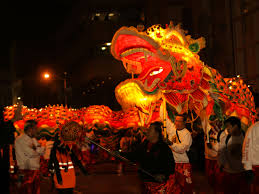
Resigned with the man’s confidence she beckoned him inside and fed him. He told her to decorate her house with red papers and clothing, then he asked her to gather bamboo and light candles. When he gave the signal she was to chop vegetables loudly. The elderly man was to wait for the monster. They waited and waited, then the woman heard the signal, she chopped the vegetables loudly, and the bamboo was lit aflame making loud popping noises. The frightening demeanor of the house scared the monster away. The woman turned to thank the old man, but he had disappeared. When the villagers came back the next morning they were taken aback to see the old woman still there. She told them about the old man and what he had told her to do. The villagers began doing this every year and now it is tradition. It is thought that the old man that visited was a god.
Fun Facts about the Year of the Monkey/Chinese New Year
- Leonardo da Vinci, Charles Dickens, & Julius Caesar were all born in the Year of the Monkey
- Lucky Numbers: 1,7, & 8
- Lucky Colors: White, gold, & blue
- Lucky Flowers: Chrysanthemum, & alliums
- Nian 年, which was the name of the monster, means year in Mandarin.